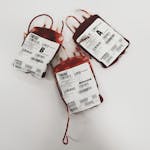





Thalassemia is one of Pakistan’s most serious inherited blood disorders, but awareness, screening and regular blood donation can help save lives. Many families only learn about thalassemia after a child is diagnosed with thalassemia major. By that time, the child may need lifelong medical care, regular blood transfusions and continuous family support. The good news is that prevention is possible when families understand carrier screening and genetic counselling before marriage or before planning a pregnancy.
What is thalassemia?
Thalassemia is an inherited blood disorder that affects the body’s ability to make healthy haemoglobin, the protein in red blood cells that carries oxygen. A person with thalassemia major can develop severe anaemia and may require regular blood transfusions, medicines to manage iron overload and continuous medical follow-up.
Why Pakistan needs more awareness
Research on thalassemia in Pakistan estimates that around 5–7% of the population may carry the beta-thalassemia trait, with more than 10 million carriers nationwide. Thousands of children are diagnosed with beta-thalassemia major in Pakistan every year. This makes public awareness, early testing and counselling extremely important for families and communities.
Carrier screening can prevent suffering
A carrier usually looks healthy and may not know they carry the thalassemia gene. If both parents are carriers, there is a risk that their child may be born with thalassemia major. A simple blood test can help identify carrier status. Couples planning marriage, families with a history of thalassemia and relatives of affected children should seek proper testing and genetic counselling from qualified health professionals.
How communities can help
- Encourage premarital and family screening so carriers can receive counselling before making major family decisions.
- Promote safe and voluntary blood donation because many thalassemia patients depend on regular transfusions.
- Support affected families with compassion instead of stigma. Thalassemia is inherited; it is not contagious.
- Share correct information in schools, colleges, workplaces, mosques, community centres and on social media.
- Consult qualified doctors for diagnosis, treatment plans, transfusion schedules and iron overload management.
A message for families
If thalassemia exists in your family, do not wait. Ask for carrier screening and counselling. Early awareness can protect future generations and help families make informed decisions. If you are healthy and eligible, consider donating blood regularly through safe and approved blood donation services. One donation can become a lifeline for a child who depends on regular transfusions.
Together, Pakistan can reduce thalassemia
Thalassemia prevention is not only a medical responsibility; it is a community responsibility. With awareness, screening, counselling and regular blood donation, Pakistan can reduce the burden of thalassemia and give affected children a healthier, safer future.
This article is for public awareness only and should not replace medical advice. Please consult a qualified healthcare professional for testing, diagnosis and treatment.
Sources and further reading
- PubMed: Thalassemia in Pakistan
- Punjab Thalassemia & Other Genetic Disorders Prevention and Research Institute: Carrier Screening
- National Library of Medicine / PMC: Molecular epidemiology of β-thalassemia in Pakistan